


.avif)
%2520(1).avif)
Inclusive Sport Design, founded by Michael Woods, works with peak sporting bodies, councils, community clubs, coaches, and volunteers to make sport more accessible and inclusive for people with disability and from diverse backgrounds. LimeHub's relationship with Michael and the ISD team spans multiple engagements, including the brand identity and MVP development for Sport Access HQ, ISD's accessibility auditing platform for sporting facilities. The ISD website brought that partnership to the organisation's primary digital presence: a growing body of advisory services, online courses, practical resources, illustrations, a podcast, and a community hub, all needing a platform that was as accessible as the work it was describing.
An organisation that advocates for inclusion in sport cannot afford a website that excludes anyone.
The most important design constraint emerged early. Inclusive Sport Design's audience includes people with disability, people from culturally and linguistically diverse backgrounds, volunteers with varying levels of digital literacy, and senior professionals from governing bodies. Designing for all of them was not a nice-to-have. For an organisation whose entire purpose is advocating for inclusion, it was the baseline.
Discovery also surfaced a content architecture challenge. ISD's offerings span multiple formats and multiple audiences: consultancy for peak bodies, online courses for individuals, free resources for volunteers, a community hub for peer connection, and illustrations for digital projects. The site structure had to make all of it findable without making any of it feel buried.
For an inclusion advocate, an inaccessible website is a contradiction of the organisation's core purpose. Every design and architecture decision was measured against that standard.
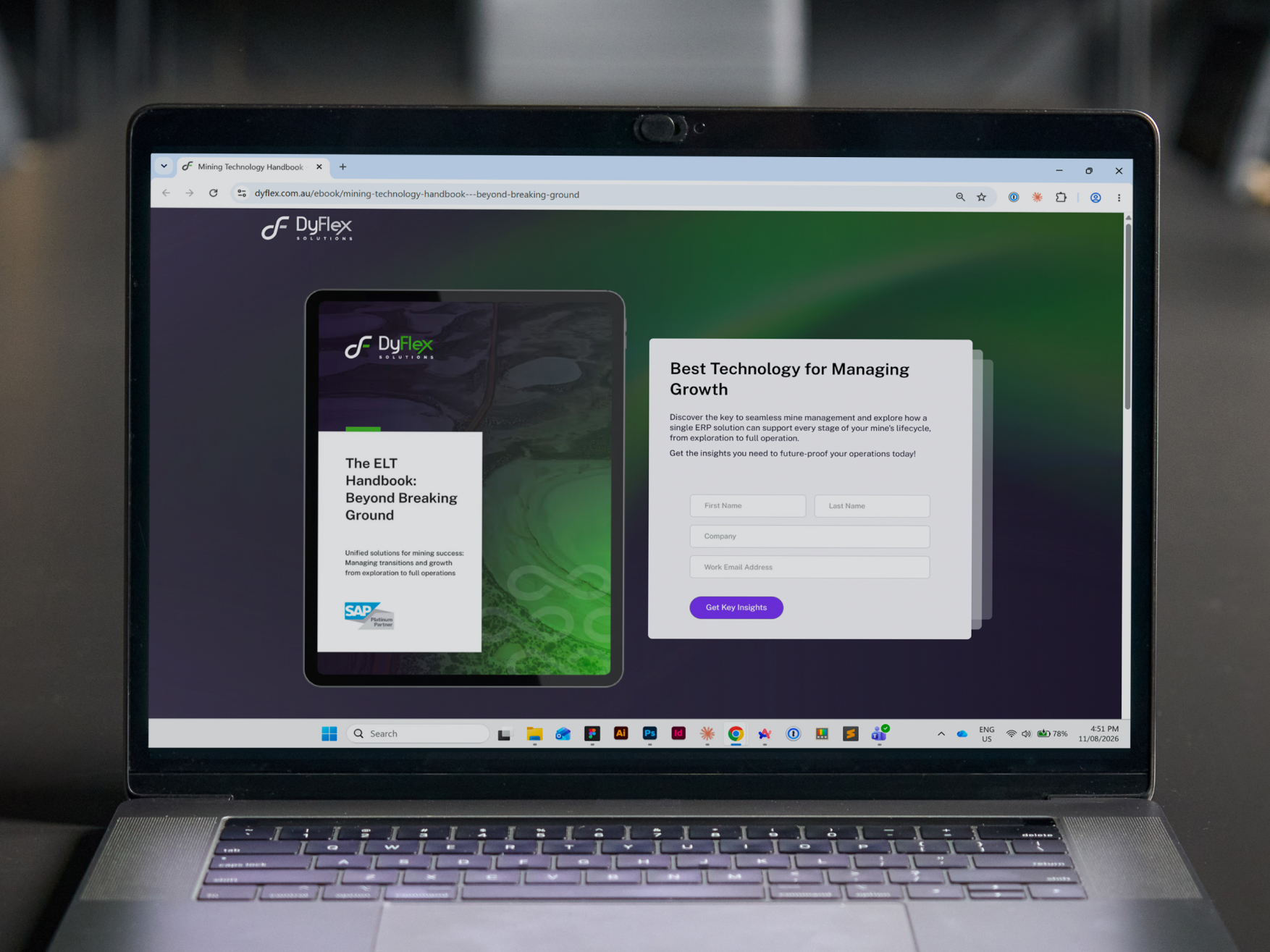
We organised the microsite content into three clear tiers aligned with how enterprise buyers actually research solutions. Ungated content provided accessible insights for those in early awareness. Whitepapers, case studies, and solution briefs sat behind lightweight lead capture forms for those inactive consideration. Clear CTAs guided decision-stage buyers toward direct engagement. Every piece of content had a purpose and a place in the journey.
ISD serves visitors with genuinely different needs. A peak body evaluating advisory services has a different journey to a volunteer club administrator looking for free resources. The information architecture was structured to serve each audience clearly, with distinct pathways to consultancy services, the ISD Academy, the community hub, the resources library, and the illustrations collection.
The Webflow CMS was structured for a small team to maintain without developer support. Articles, guides, course listings, community content, and illustrations were built as CMS collections, allowing Michael and his team to add, update, and expand content as the organisation and its programs grow.
High-contrast colours, resizable text, and text-to-speech make the site usable by the full range of people ISD exists to serve
Peak bodies, councils, and volunteer administrators each have a clear pathway through the same site
Content library and course offerings can grow without returning to a developer
The site gives Inclusive Sport Design a platform that reflects the rigour and ambition of the work they do. For an organisation regularly advising governing bodies and councils on inclusion practice, a website that fell short of those standards would quietly work against the advice being given. This one reinforces it.







.avif)









Schedule a discovery call to discuss your current challenges and explore how a strategic approach can drive growth.




