


Inclusive Sport Design had identified a genuine gap in the sporting sector. Many facilities unintentionally create barriers to accessibility: inadequate lighting that makes car parks feel unsafe, limited wheelchair access, signage that excludes people with vision impairments. The problems were real, but most clubs and facilities lacked the tools or knowledge to identify and address them systematically.
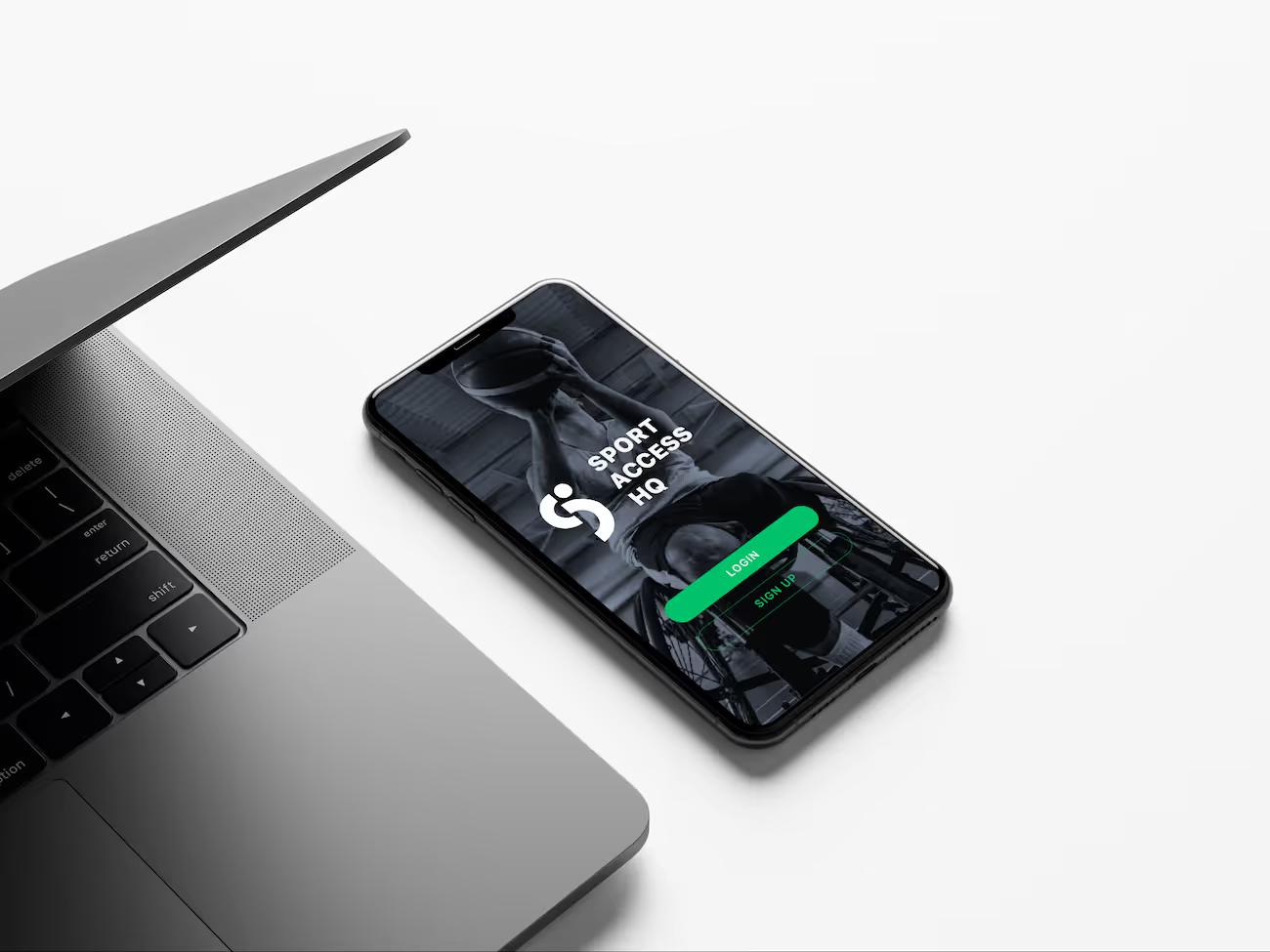
LimeHub had developed the Sport Access HQ brand identity in a prior engagement, giving the platform a visual system and clear market positioning to build from. The next step was turning the concept into a working product: a digital platform that would allow facilities to audit their own accessibility, track improvements, and report to peak bodies. Inclusive Sport Design needed a functional MVP that real facilities could use, not a static prototype or clickable mockup.
The product also had to practise what it preached. An accessibility auditing app that was not itself accessible would undermine the entire proposition.
The platform needed to feel like software built with purpose -- credible to technology buyers and meaningful to the communities it serves.
When we ran a workshop to map the target audiences and their journeys, the complexity became clear. The app would be used by volunteer club administrators with limited technical skills, professional facility managers running multi-venue operations, accessibility consultants conducting formal audits, and peak sporting bodies reviewing data across hundreds of facilities. Each group had different motivations, different levels of digital literacy, and different expectations of what the app should do.
The UX had to be intuitive enough for a volunteer to pick up without training, but structured enough to produce data that a peak body could use for strategic planning. And it had to be accessible by design, not as an afterthought.
The app's own accessibility was not just a feature -- it was a credibility requirement. If the product did not meet the standard it was asking facilities to achieve, the entire proposition fell apart.
We started with a virtual workshop to map every target audience, their motivations, and their journeys through the app. This gave us a clear picture of the core functionalities needed and the priority user flows. The goal was to build only what was necessary for real-world testing, without over-engineering features that had not been validated yet.
Every UI decision was made with accessibility at the centre. High-contrast visuals, easy-to-read fonts, clear calls-to-action, and simple interaction patterns ensured the app was usable by people with a range of abilities. Wireframes were built around intuitive navigation that did not require a user manual. The design had to feel effortless for a first-time user while being robust enough to capture meaningful audit data.
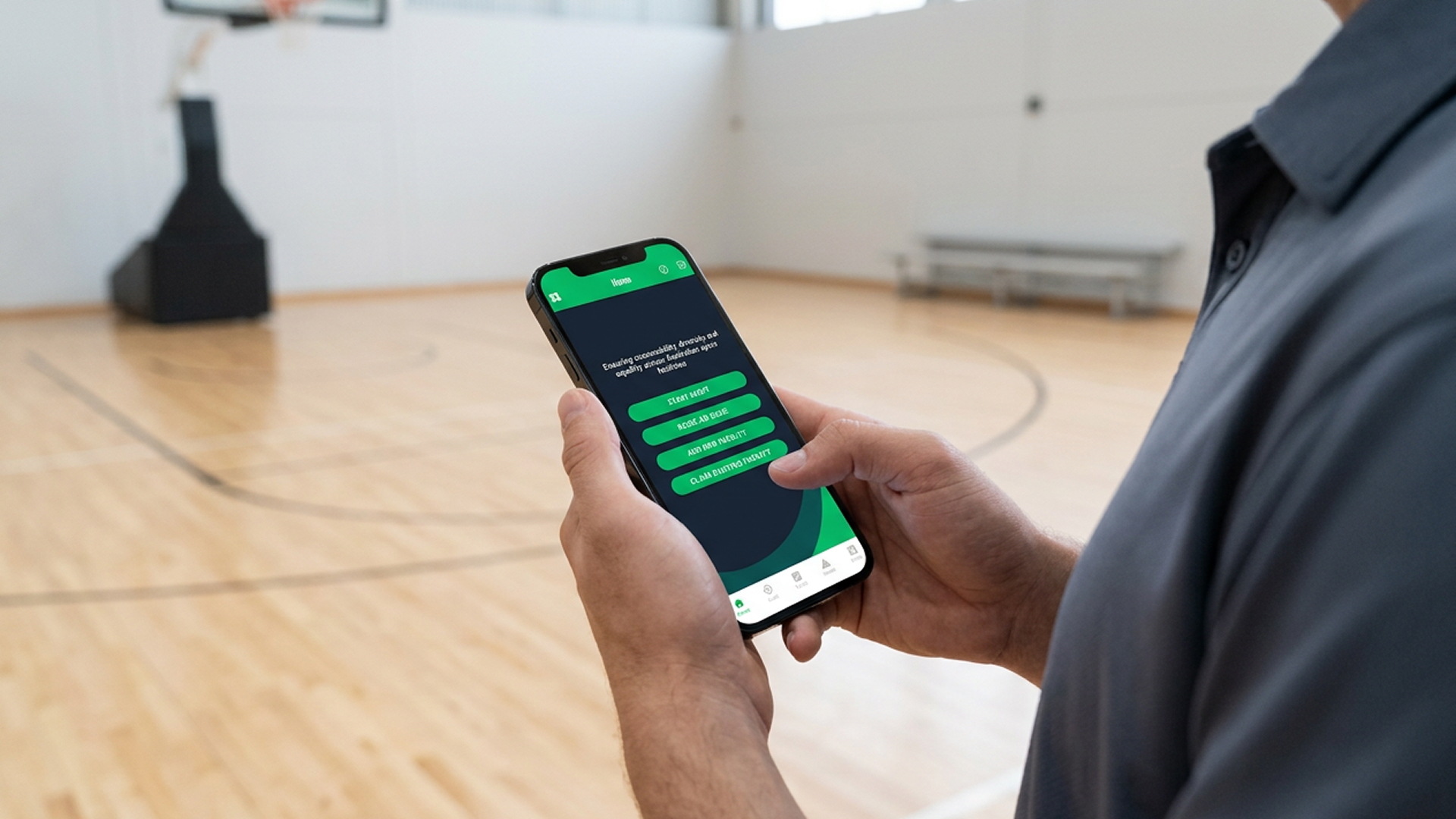
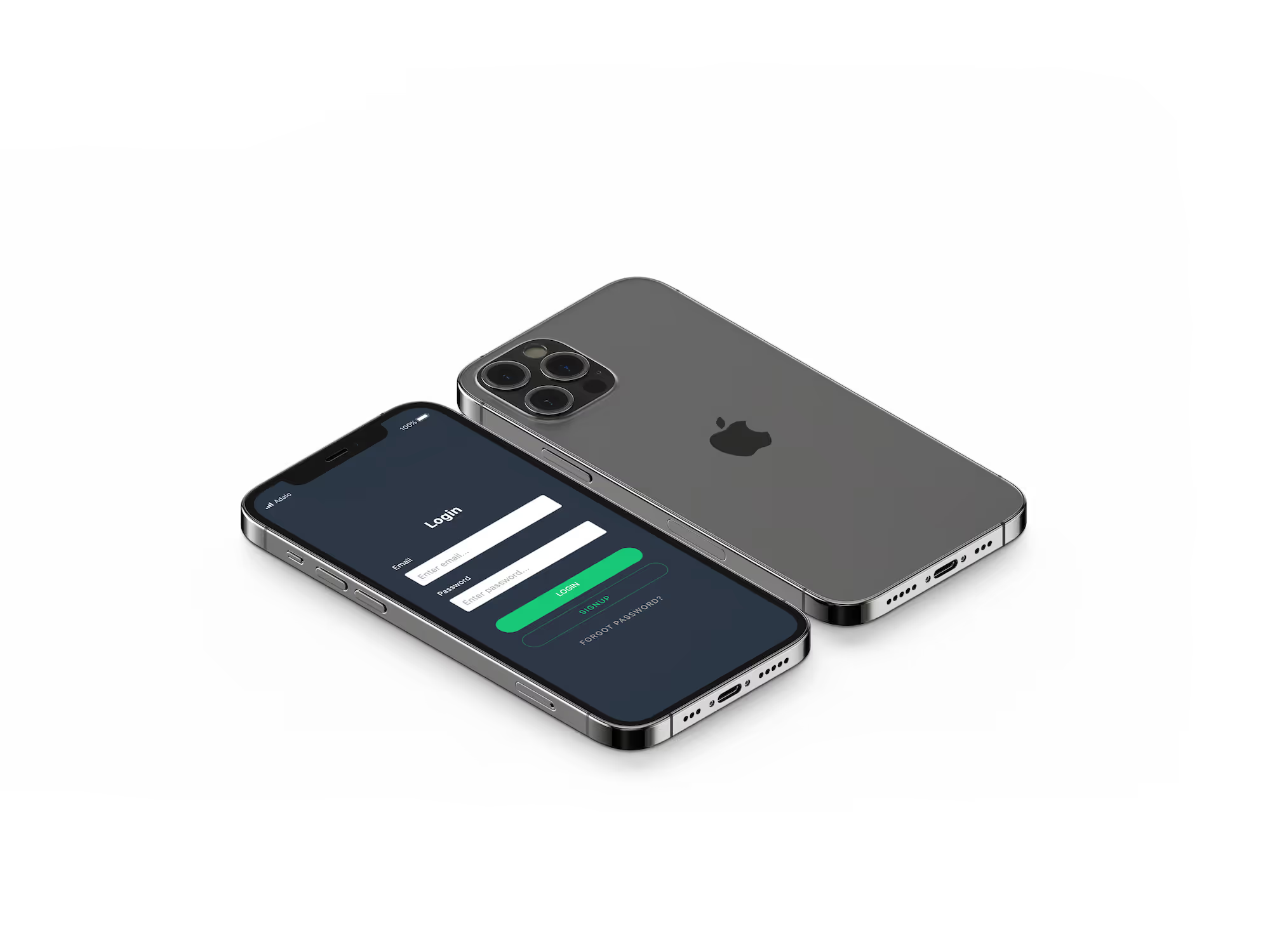
We developed the MVP in Adalo, a no-code platform that allowed us to deliver a fully functional application rather than a static prototype. The app could capture real data from facility audits, be tested in actual sporting environments, and be demonstrated to investors and stakeholders as a working product. This was a deliberate choice: a functional MVP carries significantly more weight in funding conversations and market validation than a concept deck with wireframes.
A complete working application built on Adalo, ready for real-world facility audits from the moment it launched.
Facilities could use it immediately, capturing real data and generating real feedback rather than responses to a concept.
A functional product that was far more compelling in funding conversations than a concept or mockup
The MVP gave Inclusive Sport Design something they could not get from a prototype: real validation. Facilities could use it. Data could be captured. Investors could see it working. And the team could iterate based on actual user feedback rather than assumptions. For a mission-driven organisation trying to change how sporting facilities think about accessibility, having a working product in the hands of real users was the difference between a good idea and a credible proposition. Combined with the brand identity and website work LimeHub had delivered across the broader ISD relationship, Sport Access HQ launched with a complete foundation to grow from.



.avif)





Schedule a discovery call to discuss your current challenges and explore how a strategic approach can drive growth.




