


SAP wanted to support three of its key business partners in New Zealand with qualified leads for SAP Business One. The target was clear: decision-makers inside growing small to medium-sized businesses where operational inefficiencies were holding back growth. The kind of buyer who would genuinely benefit from an ERP implementation.
The problem was that previous attempts had not worked. Telemarketing and advertising through technology publications had delivered underwhelming results. Even campaigns with "guaranteed" lead numbers had produced contacts that were not sales-ready. The partners needed real conversations, not names on a spreadsheet.
To make it harder, the campaign could not run under the SAP brand due to access restrictions. And the three partners competed in the same market, which meant any lead generation approach had to distribute opportunity fairly without creating internal tension.
Guaranteed lead numbers mean nothing if the leads aren't ready to buy. The brief was to fix the quality problem, not just the volume."
When we looked at how SMB decision-makers in New Zealand actually research enterprise technology, one thing became clear. These buyers were not responding to vendor-led messaging. They were looking for independent thinking about the operational problems they were already trying to solve.
The opportunity was not to promote SAP Business One directly. It was to create something genuinely useful, something that spoke to the buyer's problem rather than the vendor's product. If the content was good enough, it would naturally attract exactly the right audience.
The content had to feel like a resource for business leaders, not a sales asset for SAP partners. If a prospect wouldn't download it without knowing SAP was behind it, the content was doing its job.
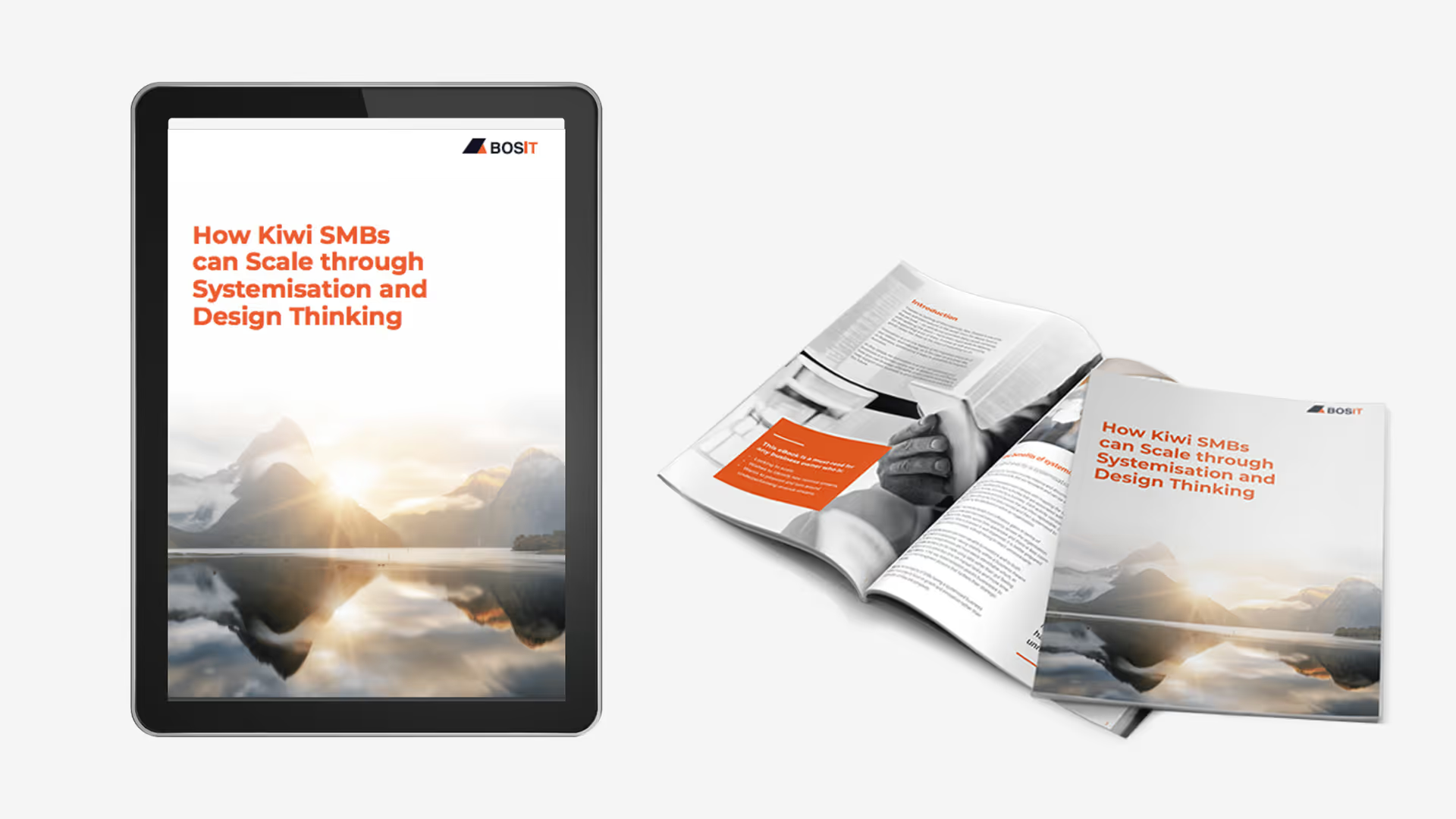
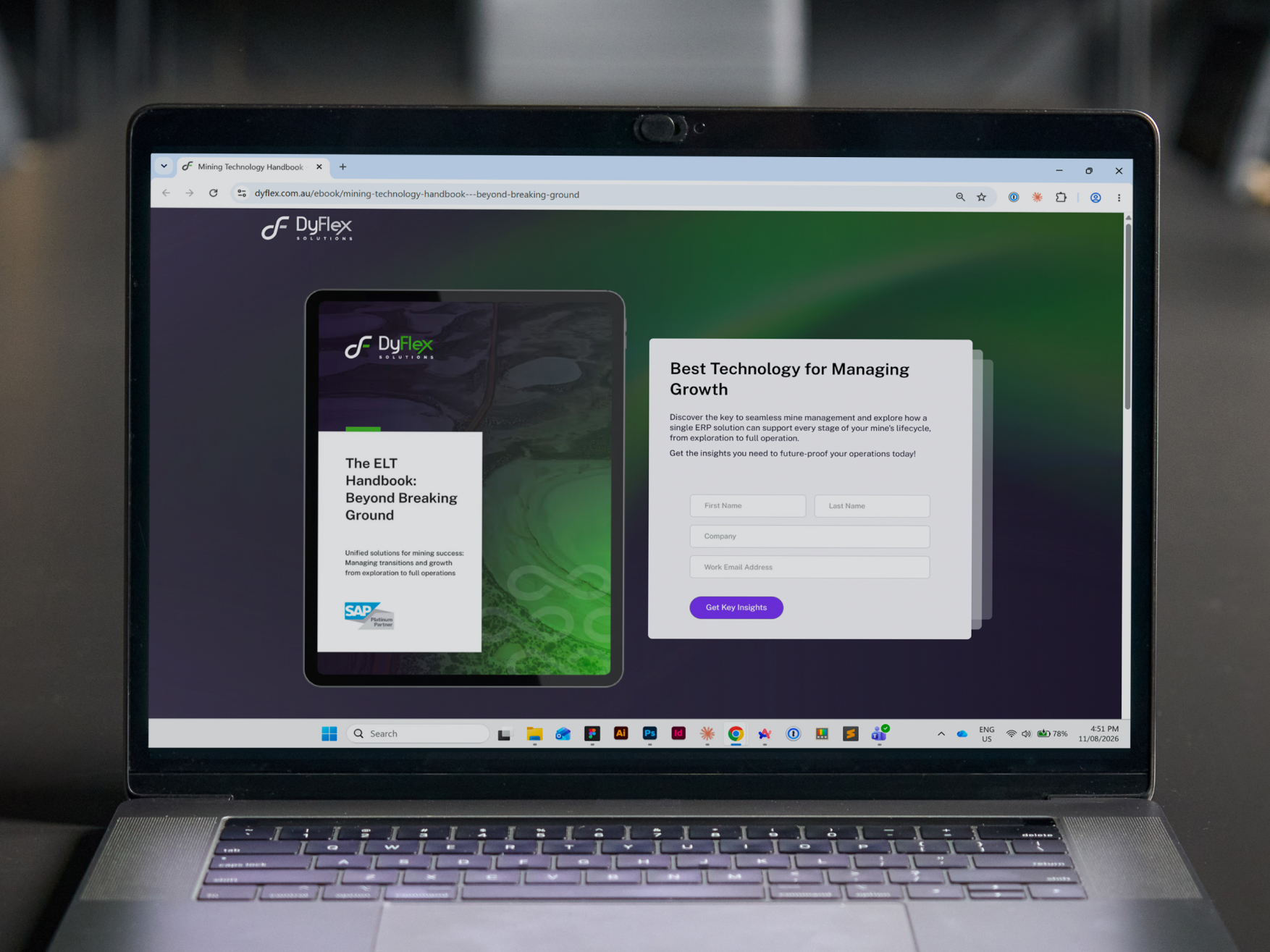
We developed a gated eBook titled How Kiwi SMBs Can Scale Through Systemisation and Design Thinking. The framing was deliberately operational, not product-led. It was designed to attract business owners and finance leaders who were actively experiencing the kinds of inefficiencies that an ERP solution would address. If someone downloaded it, they were already partway through the buying journey.
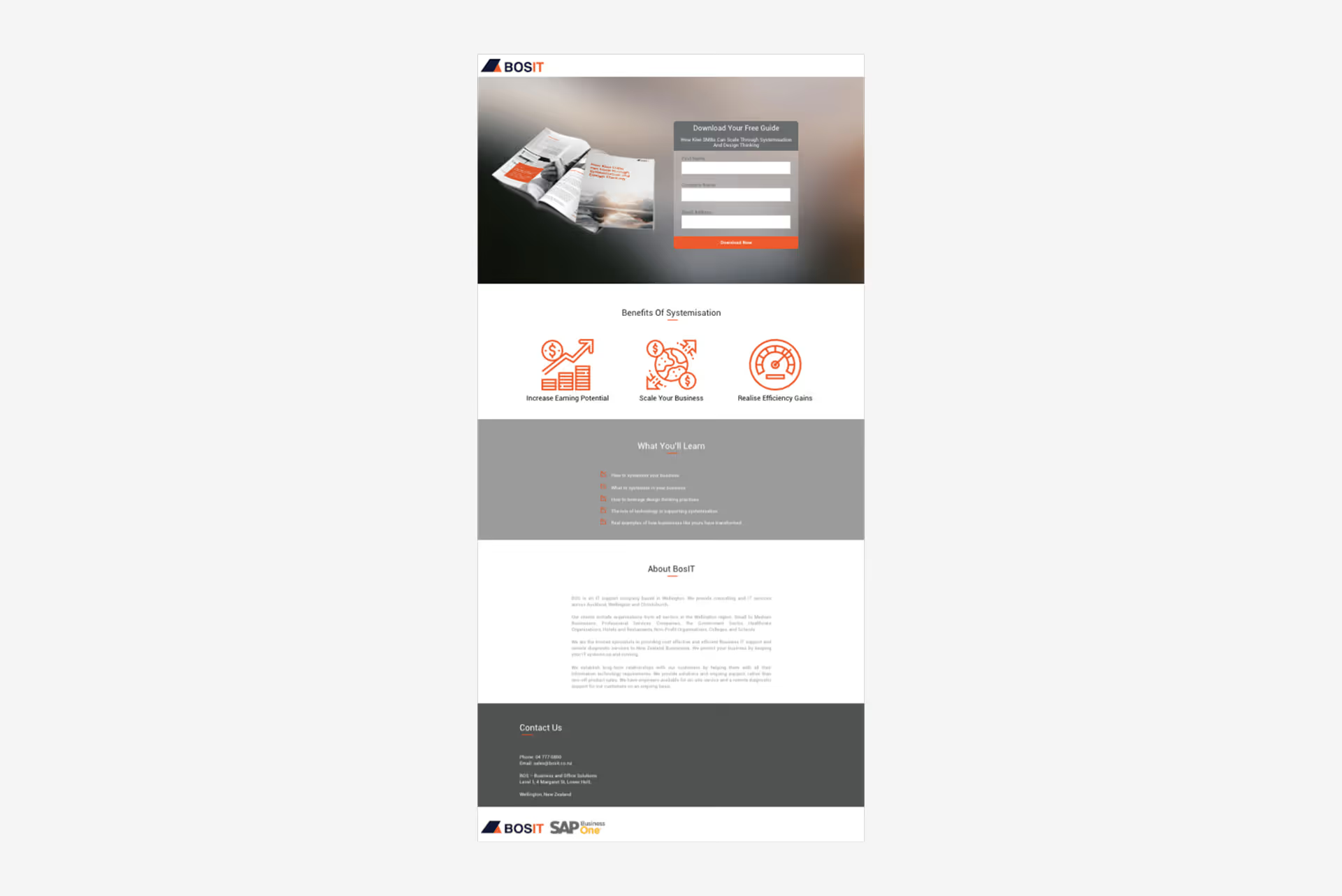
With one budget serving three competing partners, we needed a structure that was fair by design. We created a single core eBook and rebranded it for each partner, then segmented the New Zealand market geographically: Auckland, Wellington and Wairarapa, and Canterbury. Each partner received their own landing page linked to region-specific ad campaigns. No overlap, no disputes.
We ran a segmented LinkedIn campaign over two weeks targeting business owners, CFOs and operations managers at SMBs within each region. Alongside the campaign, we built an email nurture sequence that educated prospects on the benefits of systemisation, shared relevant success stories, and moved leads through the funnel without requiring manual qualification from each partner.
Business owners and finance leaders who self-selected by engaging with content about operational scaling
One content asset rebranded three ways, with zero lead distribution conflicts between competing partners
Automated nurture sequence reduced manual qualification and moved leads through the pipeline without partner intervention
The 46 leads were not just form fills. They were business owners and finance leaders who had self-selected by downloading content about operational scaling. By the time a sales conversation started, the prospect had already engaged with the thinking behind the solution. For a channel campaign constrained by competing partners and brand restrictions, this was a result that proved the model could work.




.avif)




Schedule a discovery call to discuss your current challenges and explore how a strategic approach can drive growth.




